 English
 Arabic

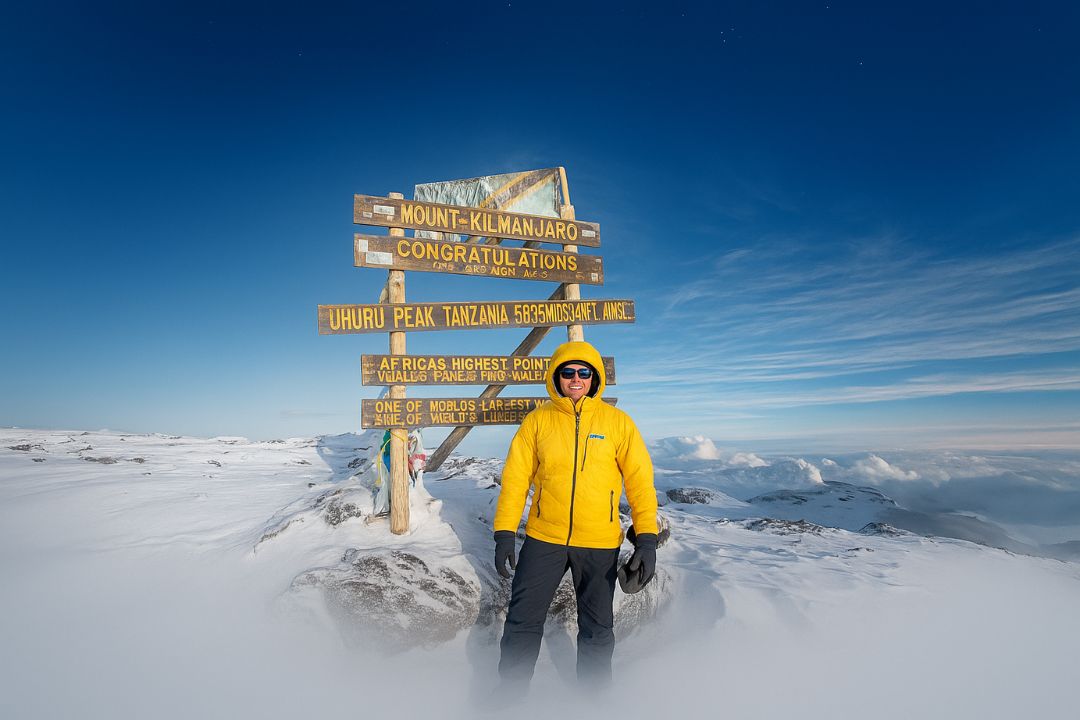
Climbing Mount Kilimanjaro is an incredible achievement, but reaching the summit requires more than motivation—it demands preparation, awareness, and a smart approach to the mountain. Every year, trekkers from around the world stand proudly at Uhuru Peak, and the key to their success often lies in understanding how to take care of both body and mind throughout the journey.
One of the most important factors in a safe ascent is proper acclimatization. Kilimanjaro’s altitude changes rapidly, so choosing a route with a gradual climb—such as Lemosho or Northern Circuit—dramatically improves your chances of success. Walking slowly, staying hydrated, and listening to your guides helps your body adjust naturally and reduces the risk of altitude-related discomfort. A good itinerary always follows the rule: climb high, sleep low.
Physical preparation also plays a major role. While Kilimanjaro is a non-technical mountain, good fitness makes each day more manageable. Training with regular hikes, stair climbing, and light cardio builds the endurance you’ll rely on during long trekking days. Equally important is mental strength—summit day is challenging, and keeping a positive attitude can push you through the final stretch to Uhuru Peak.
Finally, choosing the right operator ensures safety at every step. Experienced mountain guides monitor your health daily, set a steady pace, and provide reliable equipment, meals, and support. With the proper planning and a professional team by your side, your Kilimanjaro climb becomes not only safe but deeply rewarding.